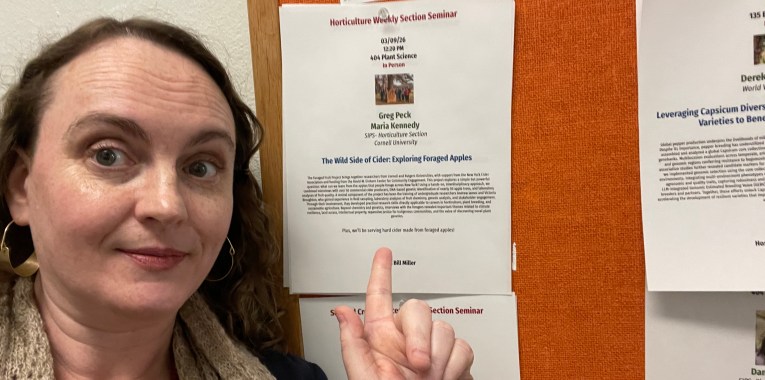
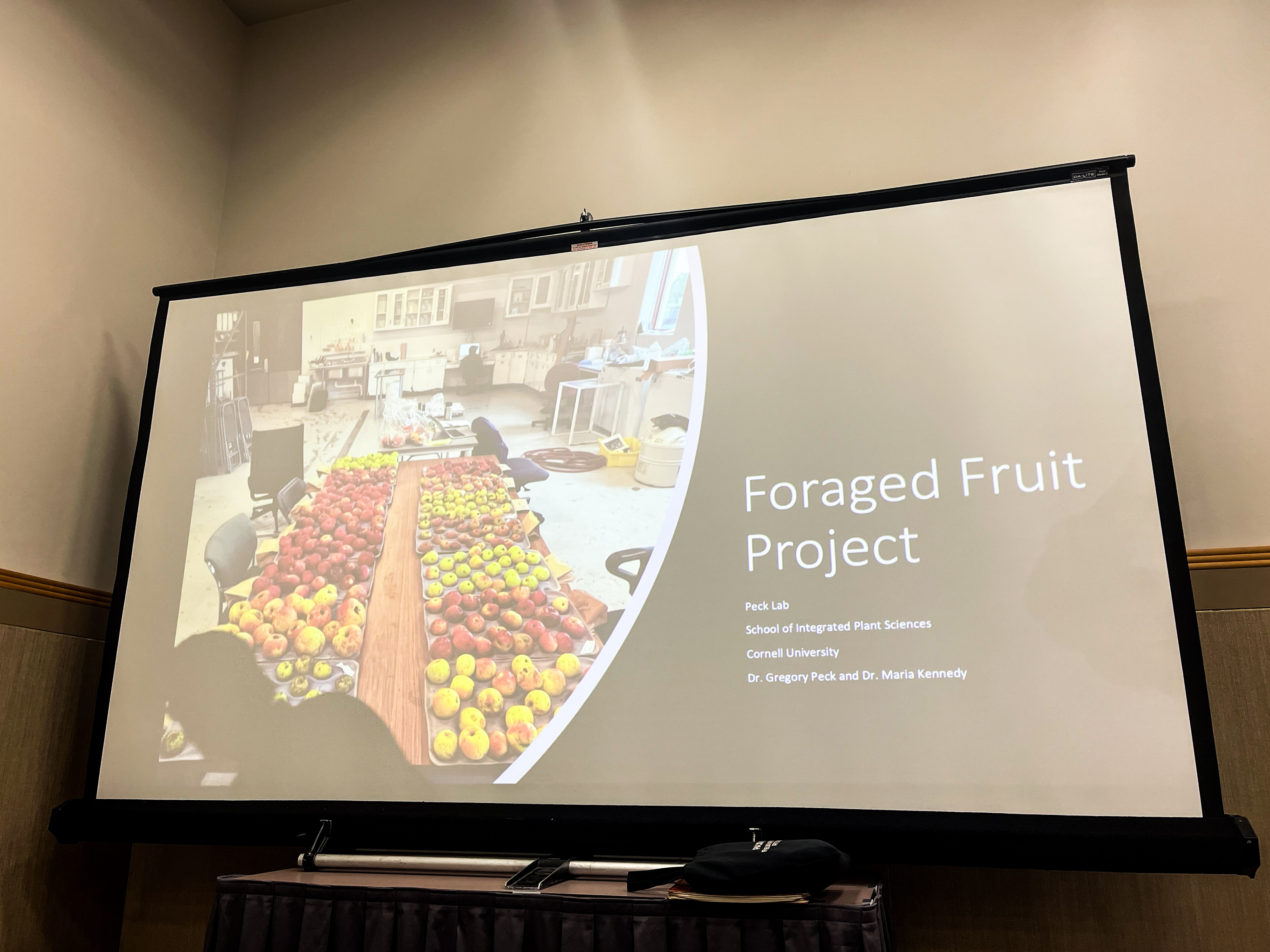
Our Foraged Fruit Project team gave a talk for the Horticulture Seminar at the Cornell University School of Integrative Plant Sciences on March 9, 2026! It was a great opportunity for us to present as a group one final time before our undergraduate students Andrew James and Victoria Broughton graduate this spring. The Link to the talk can be found here: https://youtu.be/w4DYUM1O-XI?si=xVSPyZUoIRWw1c9J
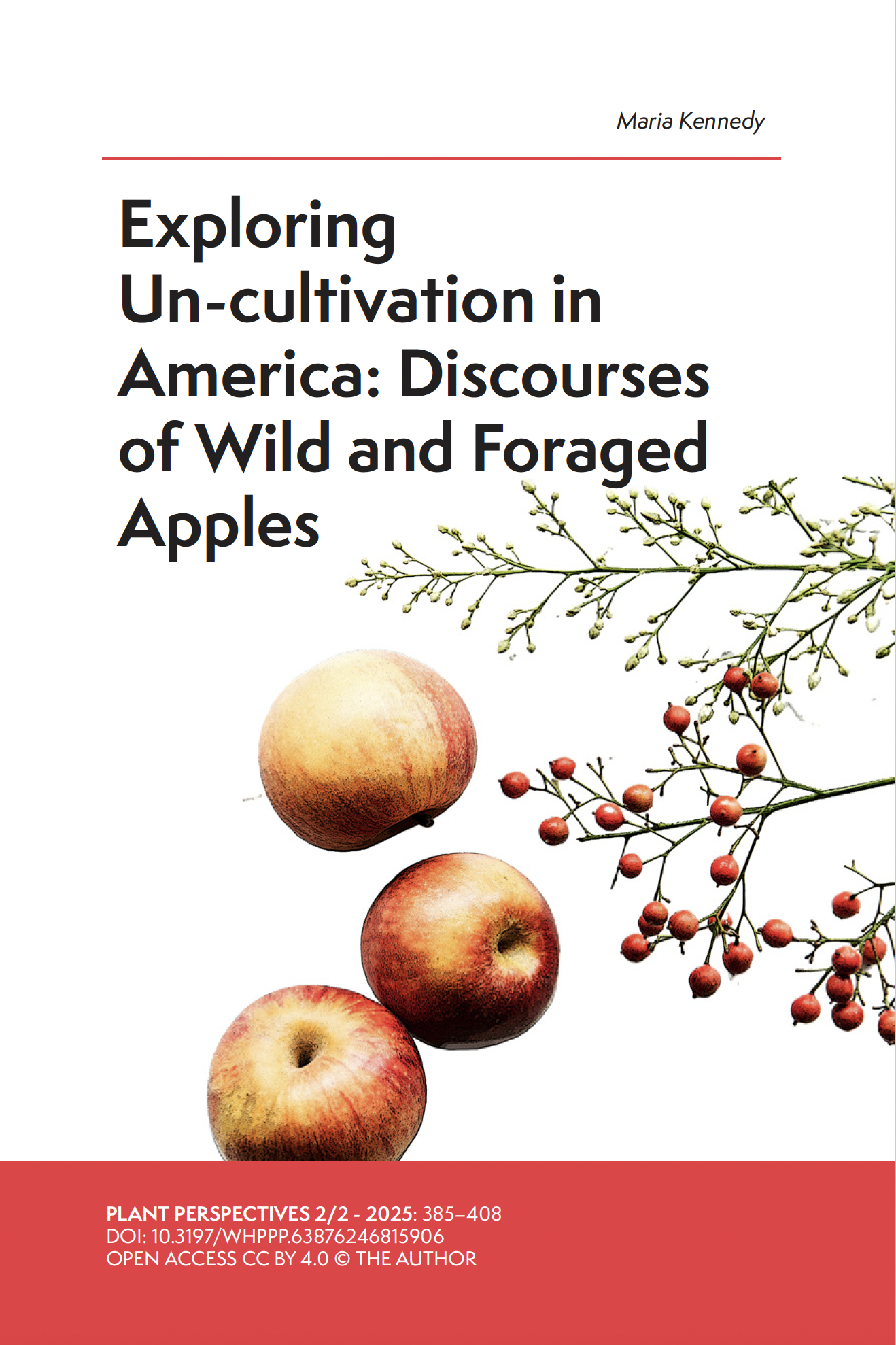
“Exploring Un-cultivation in America: Discourses of Wild and Foraged Apples“
I’m excited to share a new publication in the journal Plant Perspectives! This publication is a special issue: “Tree cultures and the arboreal humanities” edited by Caroline Cornish and Christina Hourigan. It was the end-result of a convening of panels at the Royal Geographical Society in 2022 and at the Linnean Society in 2023. It was such a pleasure to be a part of these panels and learn from my fellow panelists and writers about their research into tree cultures. This article is part of the Foraged Fruit Project with Dr. Gregory Peck and his team at Cornell. The journal articles are available here: https://www.whp-journals.co.uk/PP/issue/view/166
“This conference, organised collaboratively between Royal Botanic Gardens, Kew and the Linnean Society of London, looks back at the place of trees in global culture (trees in popular literature and arts): why do they hold such a special place in our culture? How has this been expressed through words and paintings? It will also look at how our gaze upon trees has transformed, with the realisation that trees are instrumental to our sense of belonging, well-being and happiness, and will look at the influence of other societies that have looked at and looked after trees in different ways.”
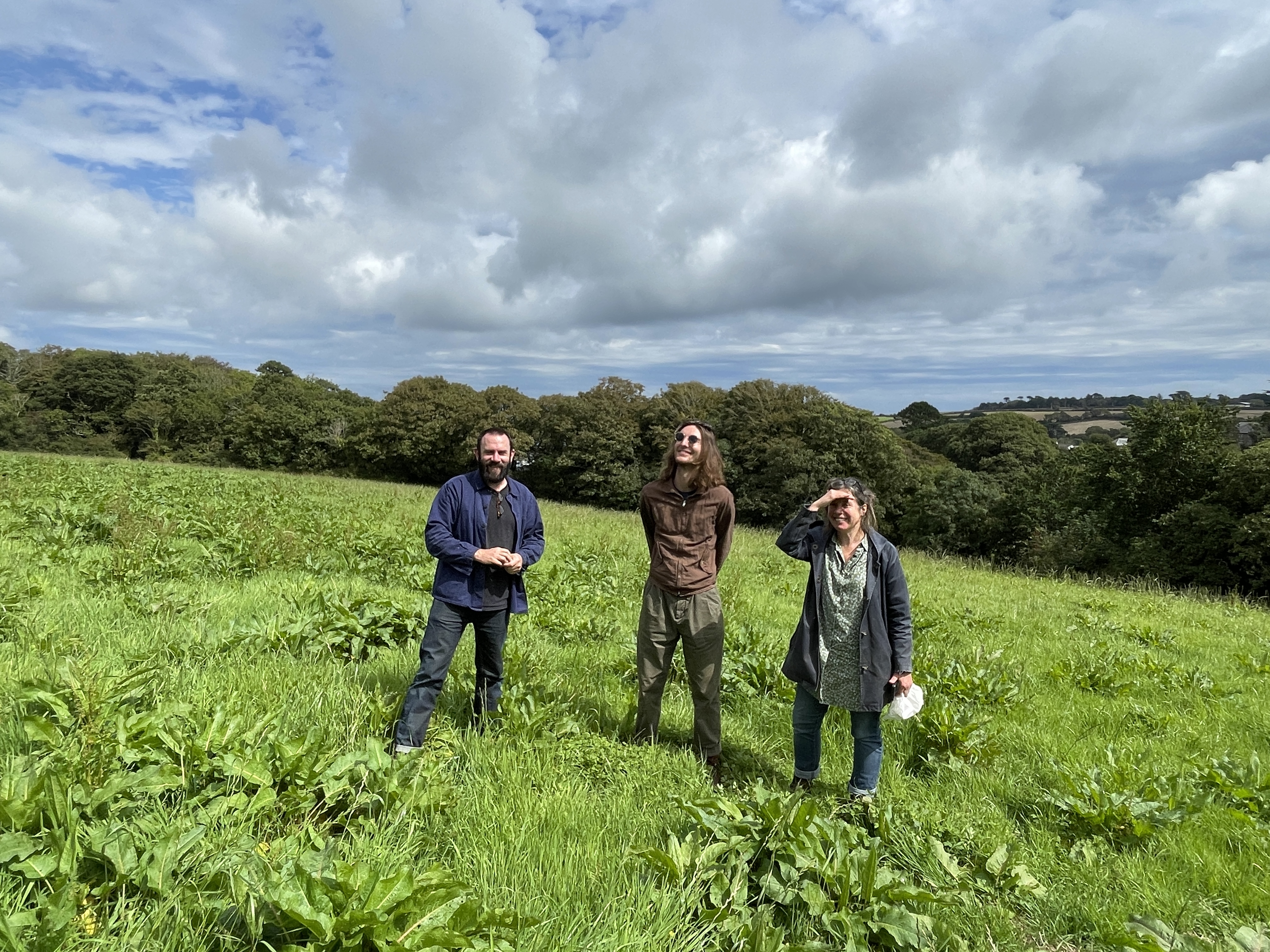
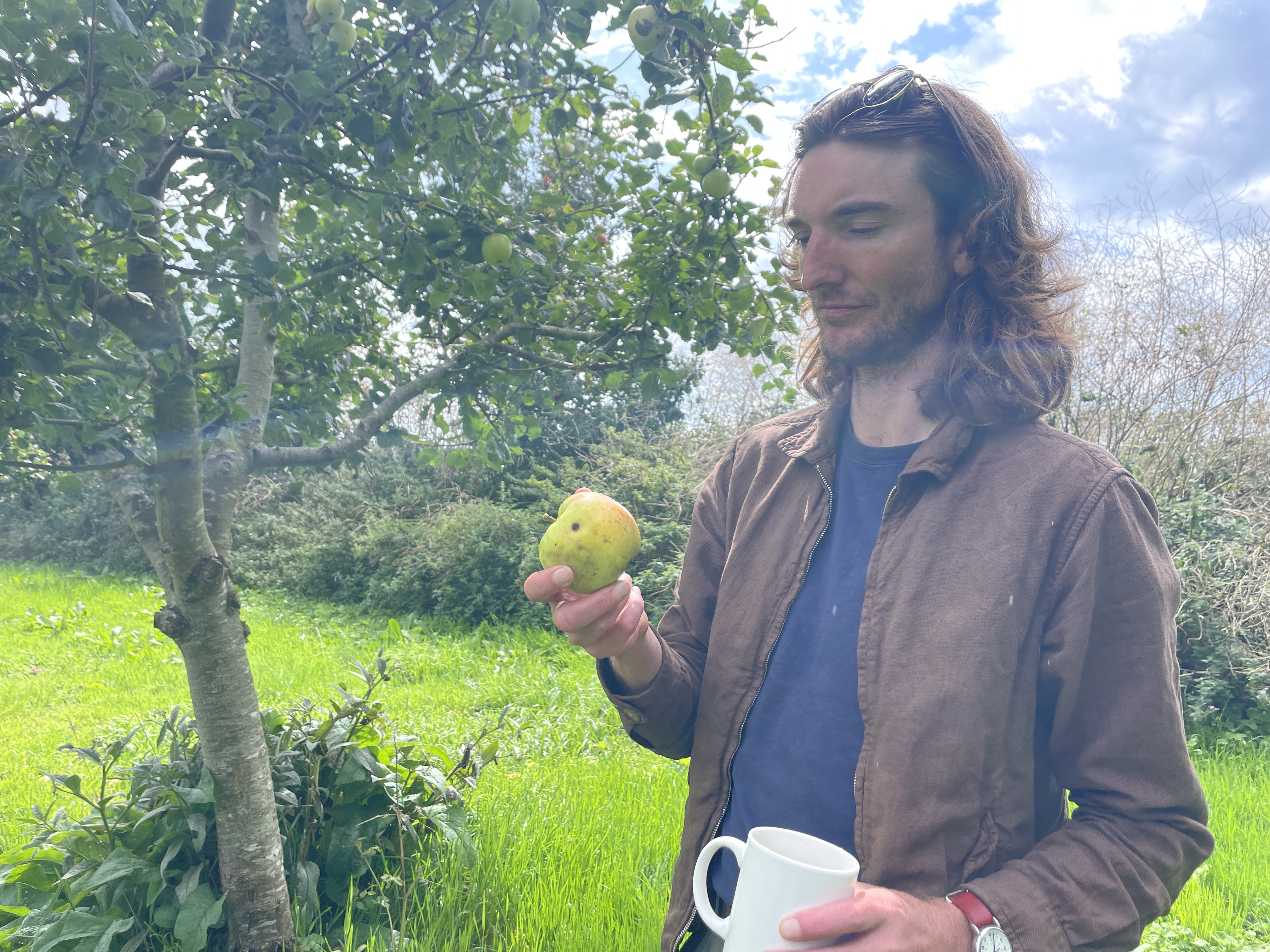
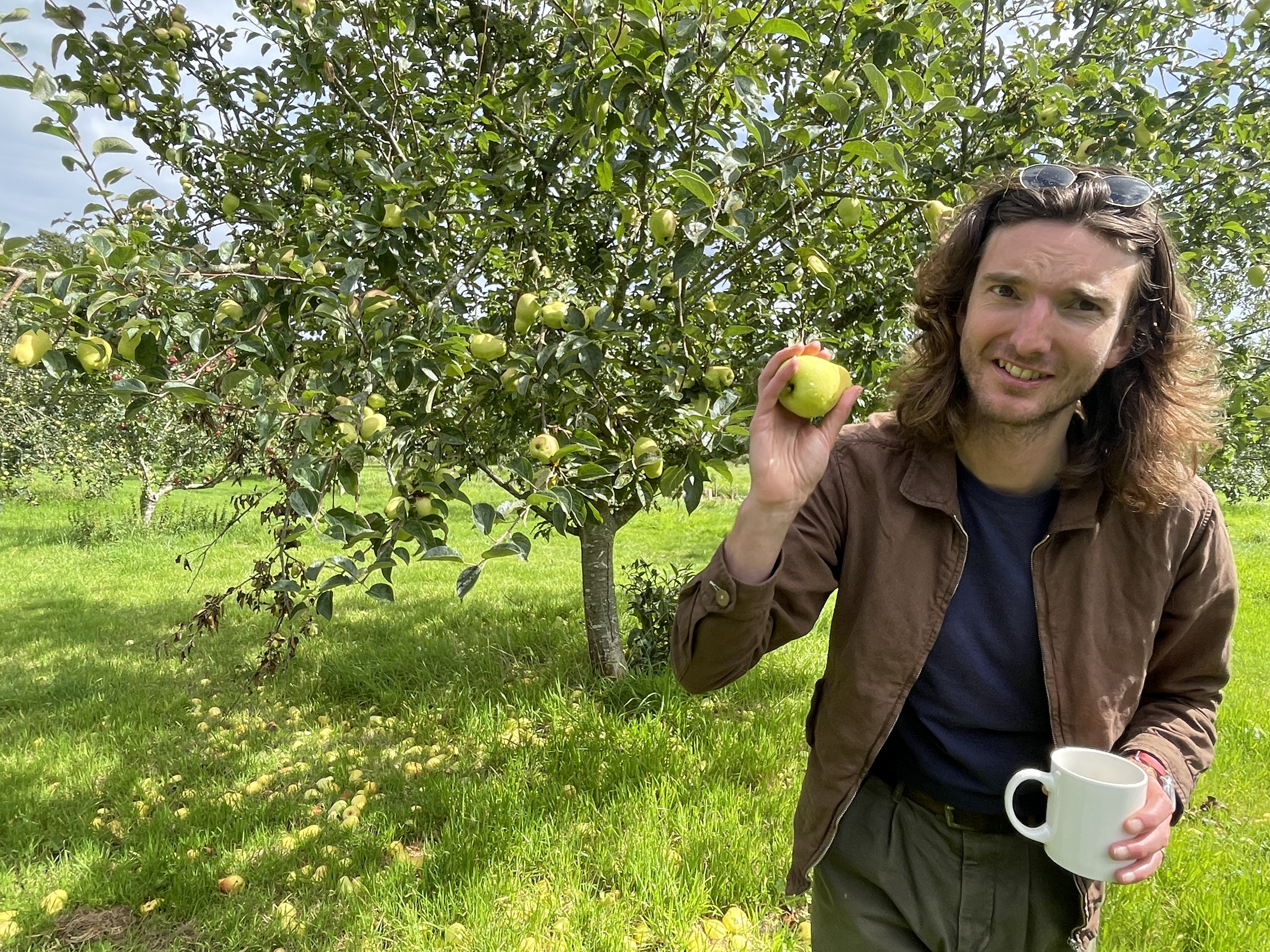
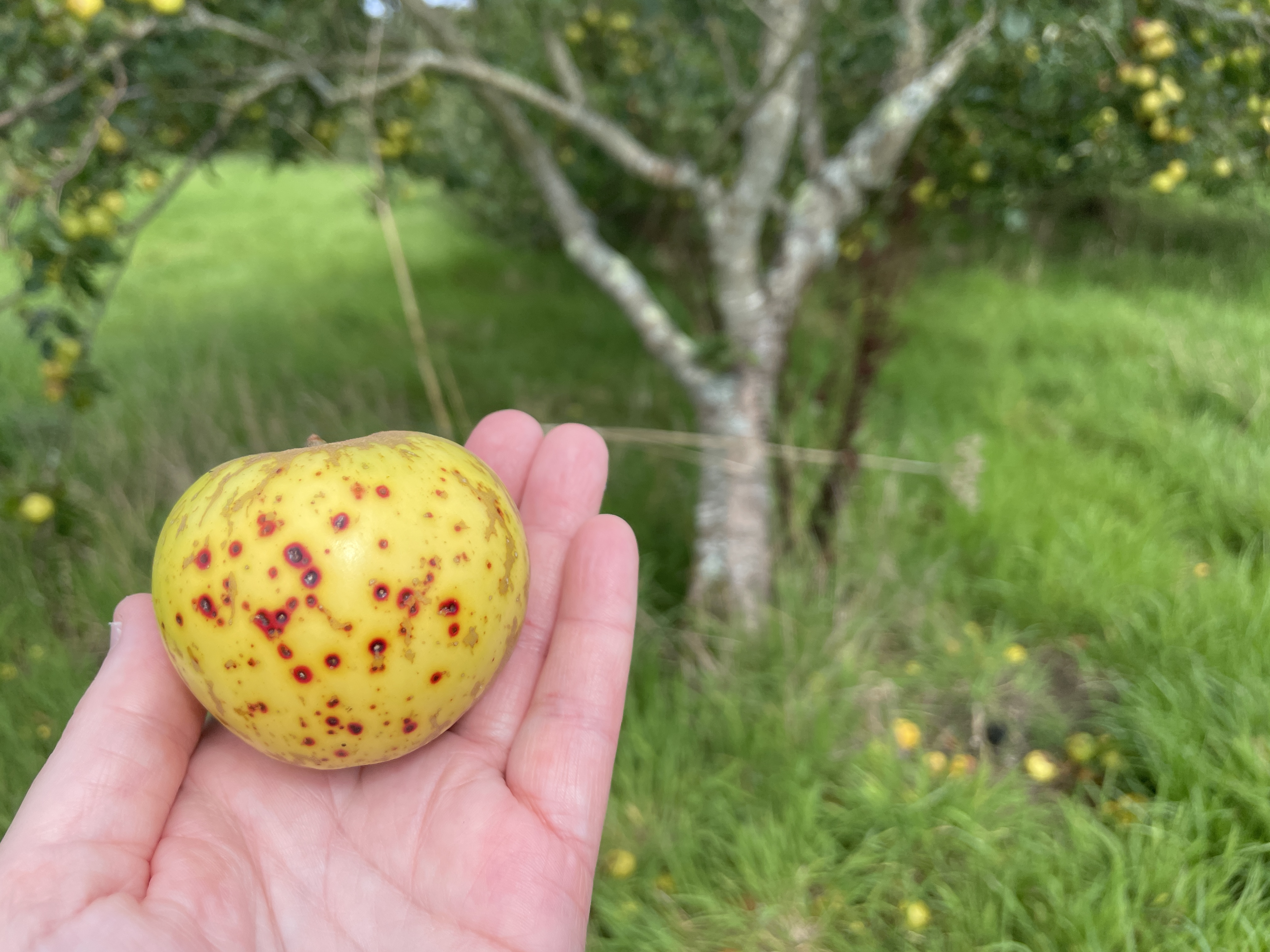
Each opportunity to take the project on the road yields new opportunities to connect with others and expand the ideas that inform our research. This summer at the Royal Geographical Society, I was lucky to connect with William Lawrence Arnold, James Fergusson, and Caitlin DeSilvey on their Some Interesting Apples project in Cornwall, which is applying some of the same interests in wild seedling fruit that we are exploring in America in their southwestern corner of the UK. Here are some photos from our connections in Cornwall!
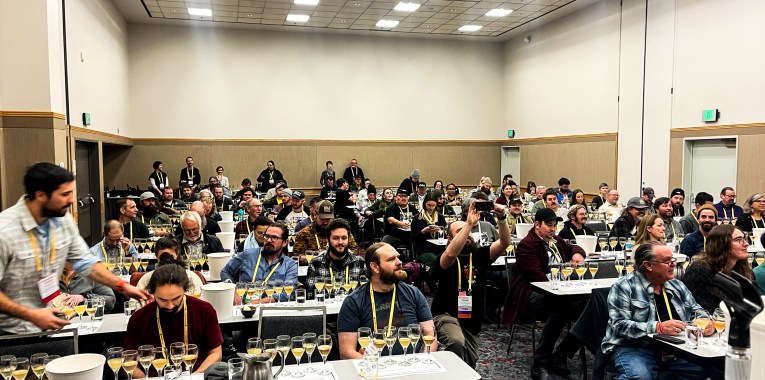
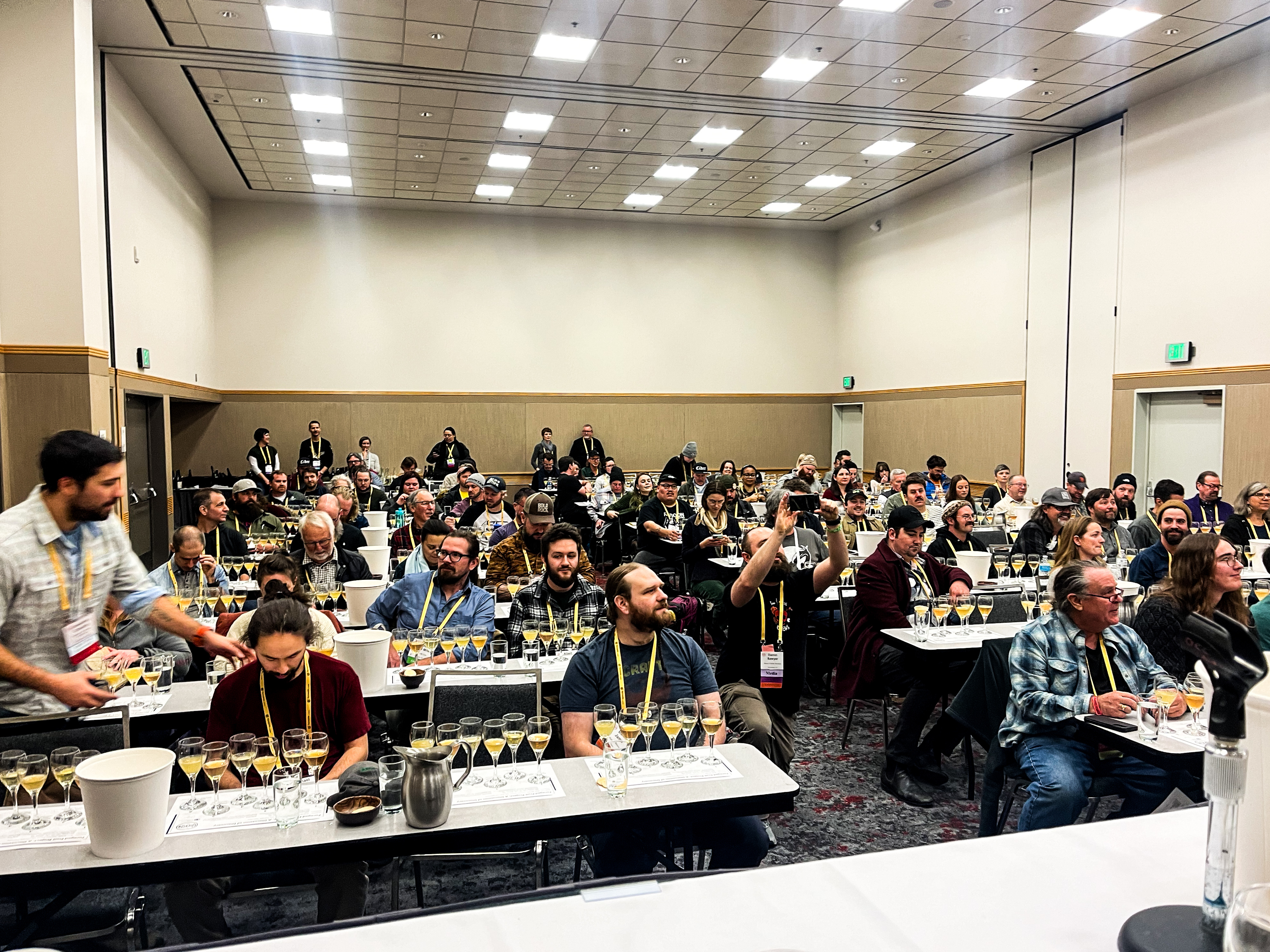
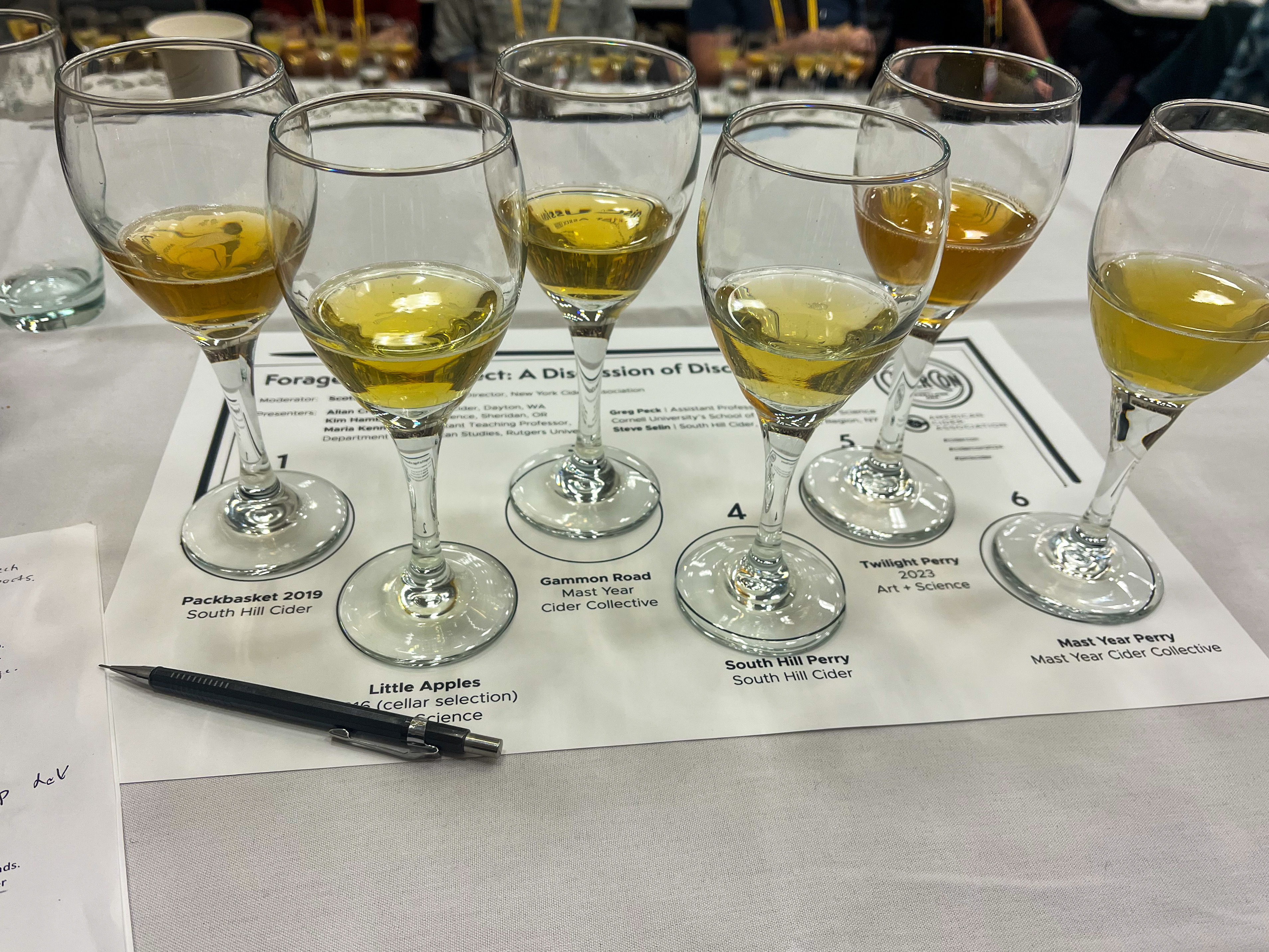
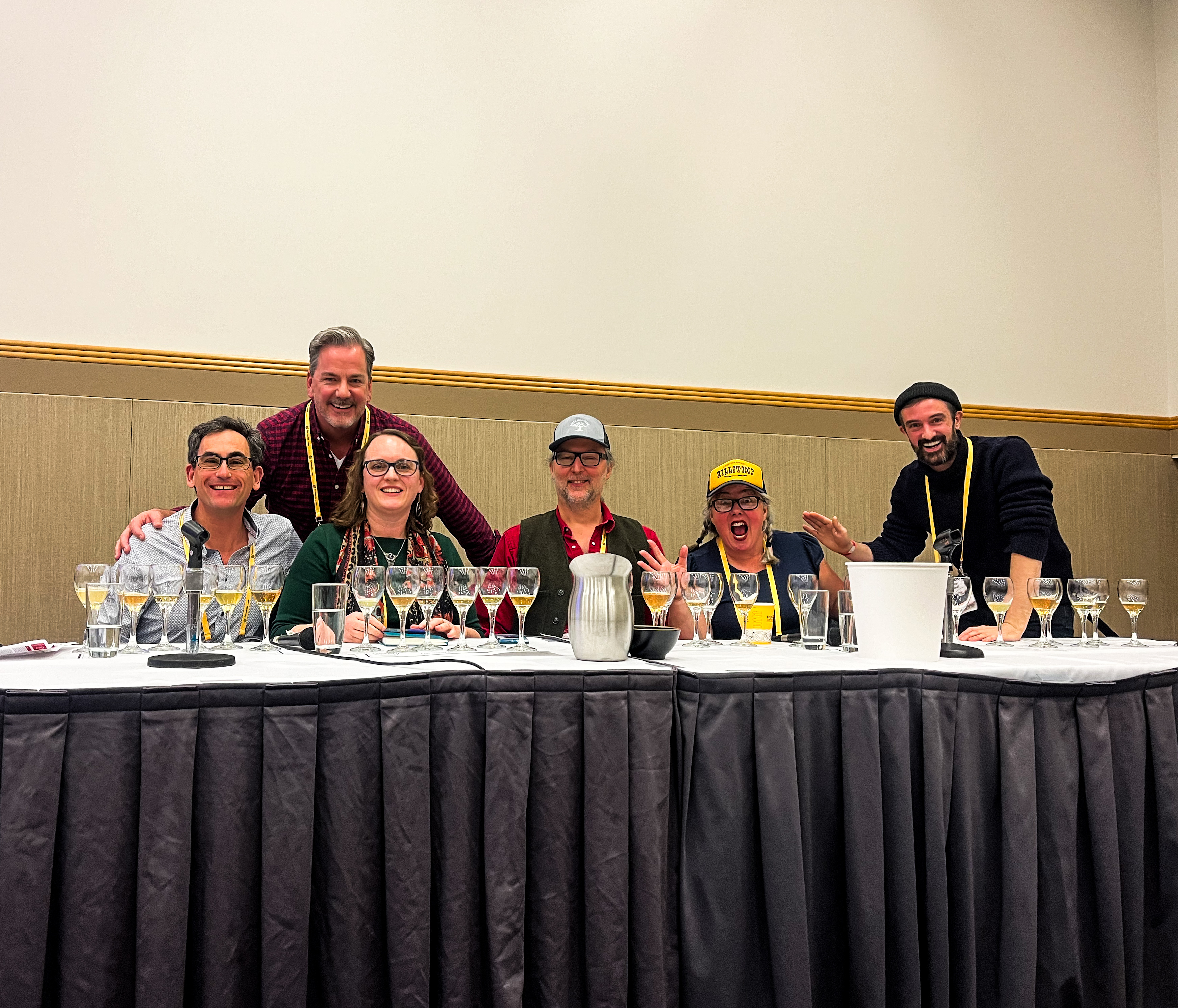
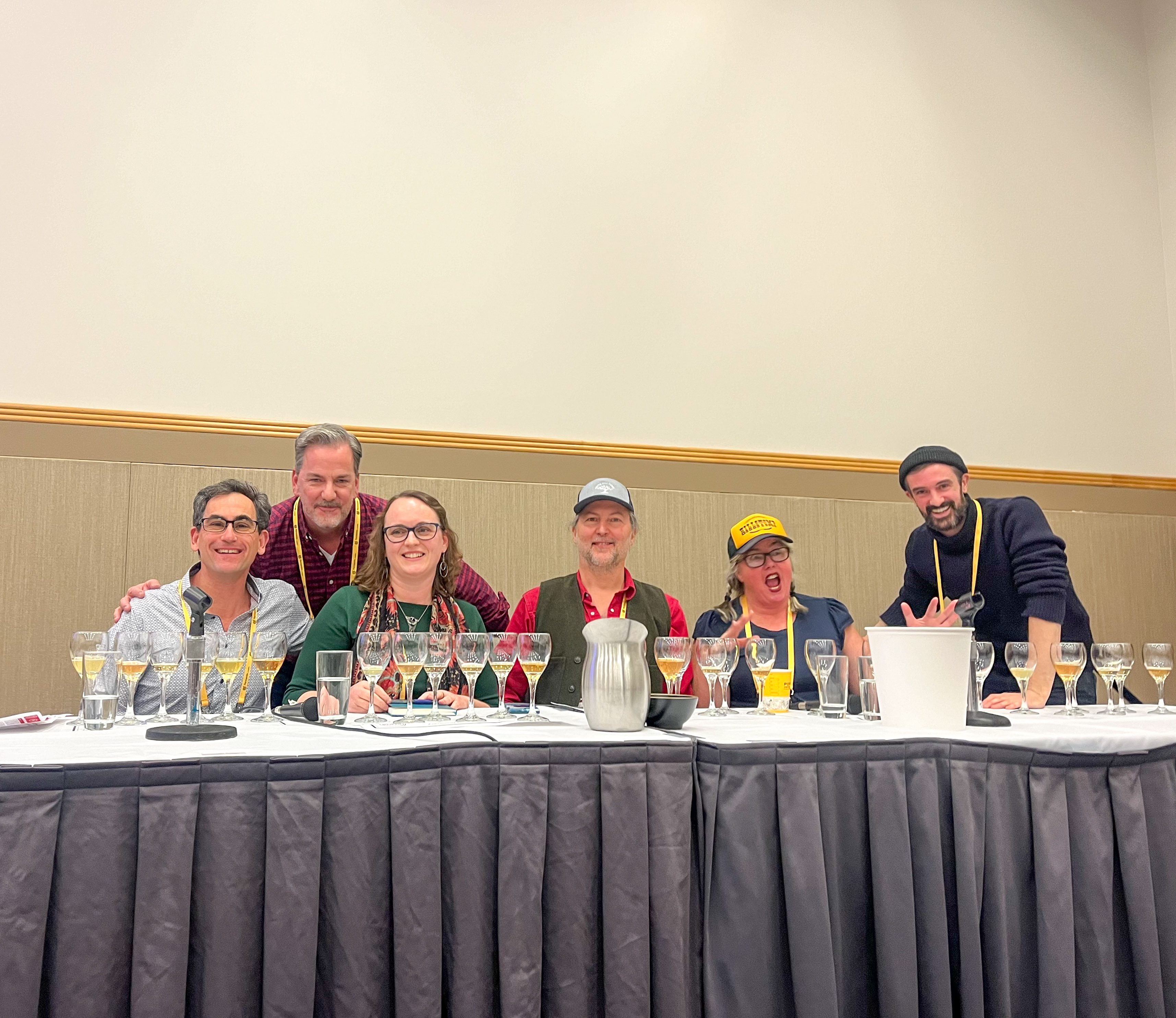
At Cider Con, we had the amazing opportunity to connect our foraged fruit project research in New York with the work of foragers out in the Pacific Northwest through our conversations with Kim Hamblin of Art+Science Cider and Wine and Sager Small of Mast Year Cider Collective. I’m looking forward to what this next trip and meeting of minds will bring.
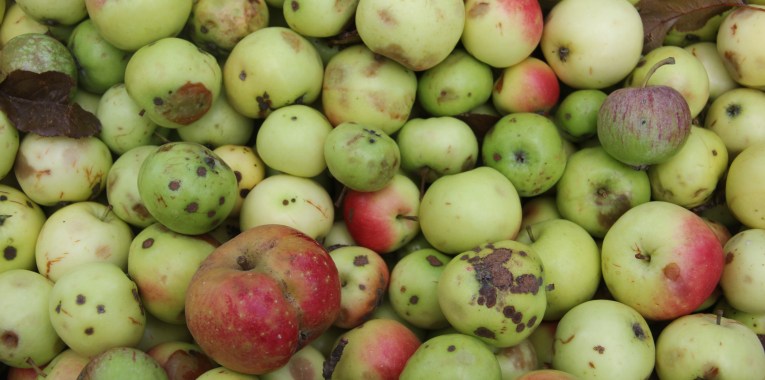
Apple foraging among New York’s cider producers has slowly grown from a grassroots practice to become a regionally important phenomenon. Dr. Maria Kennedy of Rutgers University and Dr. Greg Peck of Cornell University are beginning a collaborative research project in August of 2022 to understand the impacts of fruit foraging on rural communities, cider quality, and the State’s cider industry.
The researchers will collect survey and interview data from a broad range of participants to assess the range of foraging practices throughout the state. Our project will primarily engage with people who forage apples for commercial cider production, but anyone who forages for apples is welcome to fill out a brief online survey to submit information to the project. The survey link can be found at https://airtable.com/shr1IJQIBAPqWy2nN.
Researchers may contact individuals directly for further information or participation in the project. Fruit and leaf samples will be collected from a selected number of participants for lab analysis, which will investigate the qualities of the fruits being collected by foragers and determine whether the trees used for cider production are known varieties or wild seedlings.
Dr. Kennedy, an Assistant Teaching Professor in the Department of American Studies at Rutgers University, has conducted ethnographic research on the cider industry in the United Kingdom and the United States. Her academic training is based in folklore studies, cultural geography, media studies, and public humanities. She has also worked in public arts organizations in New York, New Jersey, and Indiana. Contact Maria for questions about setting up an interview or queries about the general purpose and social impacts of the project: maria.kennedy@rutgers.edu.
Dr. Peck is an Associate Professor in the School of Integrative Plant Science Horticulture Section at Cornell University’s College of Agriculture and Life Sciences. For over a decade he has studied cider apple production and genetics. He also co-teaches a cider production course to more than 100 undergraduate students each spring. More information about Dr. Peck’s work can be found at: https://hardcider.cals.cornell.edu/. Contact Greg for questions about the horticultural and genetic aspects of the project: gmp32@cornell.edu.



 Cider With Maria